
The scale never flatters: how we verify GSM on every rug
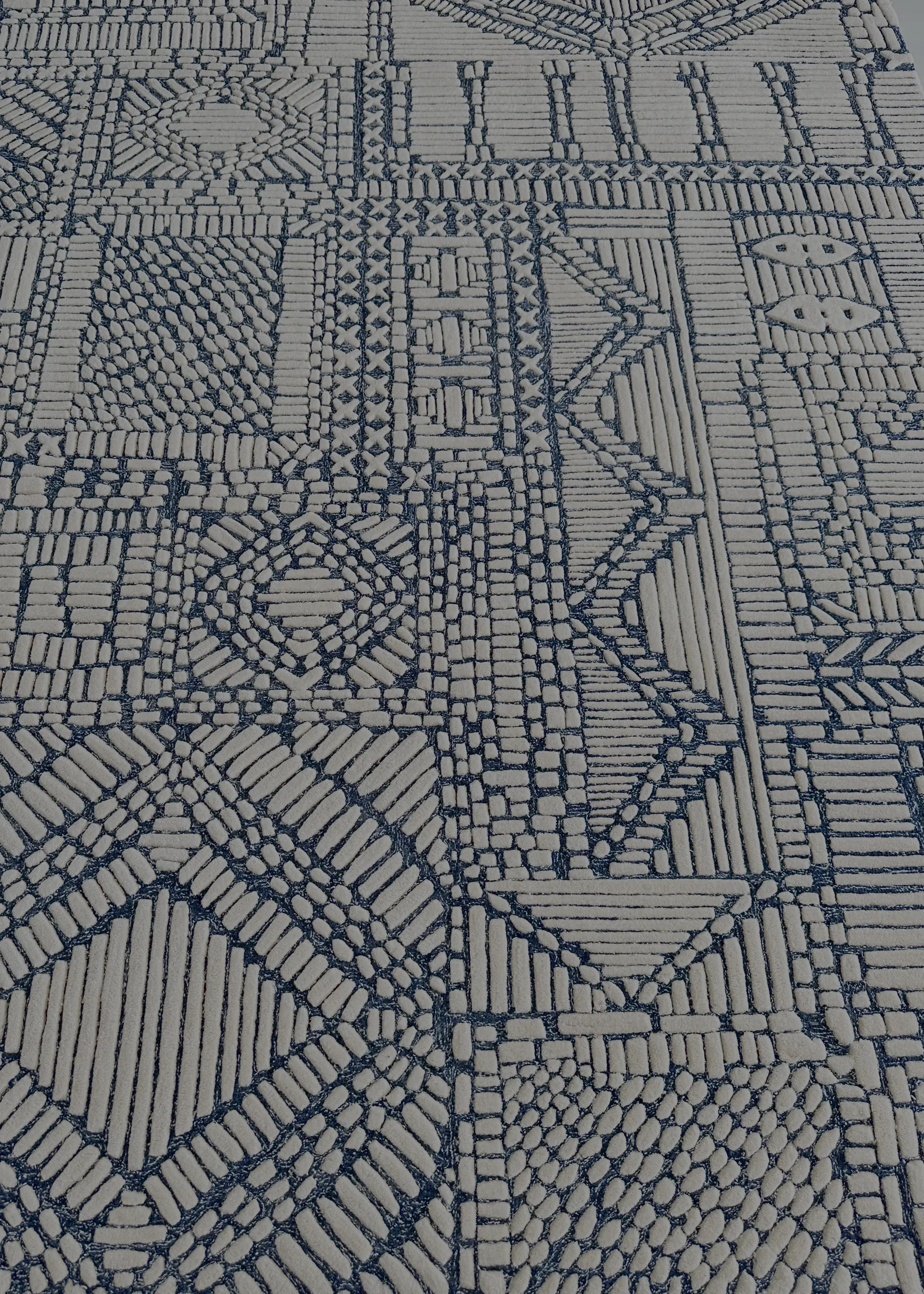
Every rug that arrives at our receiving floor in Bhadohi meets the same two instruments before it meets anything else: a measuring tape and a weighing scale. What follows is the least glamorous minute in a rug's ninety-day life — and the one that protects everything the other eighty-nine days built.
What is GSM in a rug?
GSM — grams per square metre — is the weight of material in one square metre of rug. It is the most objective single measure of how much wool, cotton or viscose a rug actually contains. Pile height can be fluffed. Photographs can be lit. A knot count can be argued about at the edges. Weight divided by area cannot be negotiated with.
Why we check every piece, not a sample
A specification is a promise. When a buyer approves a strike-off at, say, 2000 GSM, they have priced their retail line, their shipping and their margins on that number. If production drifts — a spinner delivers slightly lighter yarn, a weaver beats the weft a touch less — the rug still looks right. It just isn't the product that was sold. Sampling would catch some of this. Weighing every piece catches all of it.
How the check actually works
The arithmetic is deliberately simple, because simple checks get done:
- The rug is measured — length and width at multiple points, because handmade pieces breathe. The measured area also settles a second promise: our ±3 percent size tolerance.
- The rug is weighed on a calibrated platform scale.
- Weight in grams is divided by area in square metres.
- The result must match the quality's specified GSM. A rug that reads light goes back — not into a box with an apology, back to the floor.
The same slip that records the weight follows the rug to washing, finishing and packing, so every piece in a shipment can be traced to its numbers.
What a buyer should take from this
If you are comparing manufacturers, ask one question: “how do you verify GSM, and on how many pieces?” The answer tells you whether the specification you approved is a promise or a mood. Ask for the receiving records on your own order — a factory that weighs everything will have them; a factory that doesn't will change the subject.
Where GSM sits among the other quality measures
GSM is not the whole story. Knot count governs detail in hand-knotted work; material grade decides how the pile ages; finishing decides how it looks on day one. But GSM is the measure that catches quiet substitution — and quiet substitution, not dramatic failure, is how quality actually erodes in this industry.
You can read the fuller shape of our QC discipline in how we run quality control, and the wider judgement criteria in the rug quality guide.