
Renewable fibres, verified recycled, low-carbon by construction.
Handmade rugs are a low-carbon product by structural nature — and certifications make that structural claim verifiable. This is how we back it up.
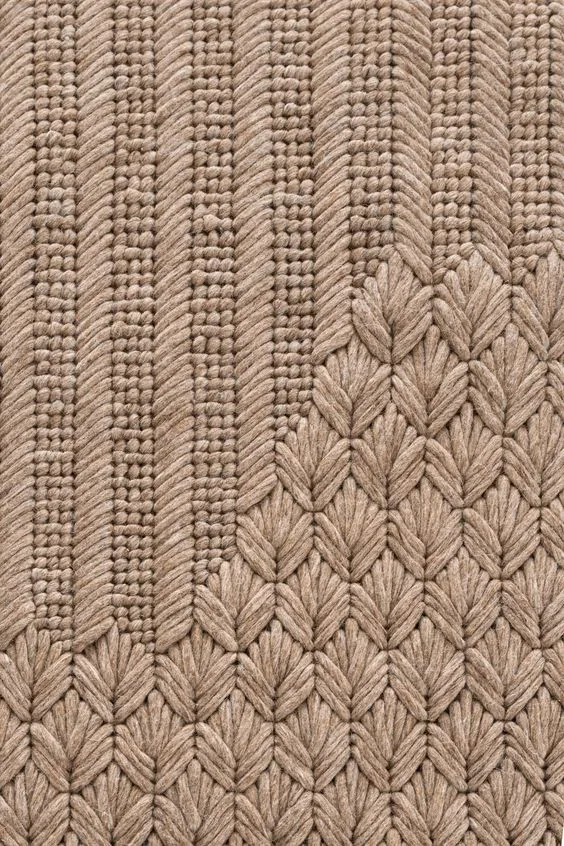
Why a handmade rug is low-carbon
Because its factory runs on people. The loom has no motor. Knotting — the heart of production — consumes skill, not electricity. Add natural fibres and GRS-certified recycled yarns, and you have a product whose footprint is modest in a way machine-made goods struggle to match.
We don't dress this in invented numbers. We simply note what is structurally true.
- Rain-fed jute
- RWS wool
- GRS recycled PET
- Oeko-Tex tested dyes
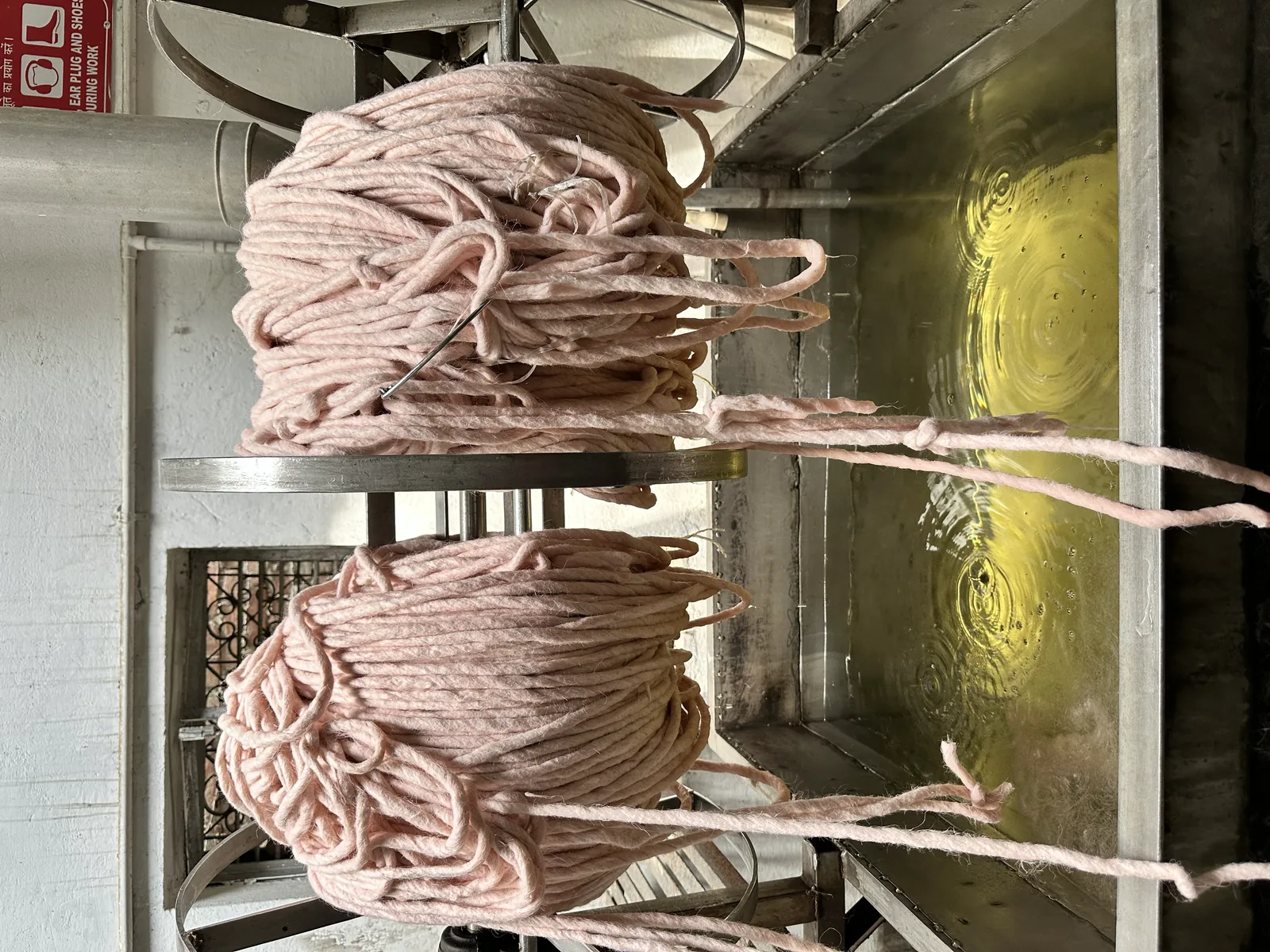
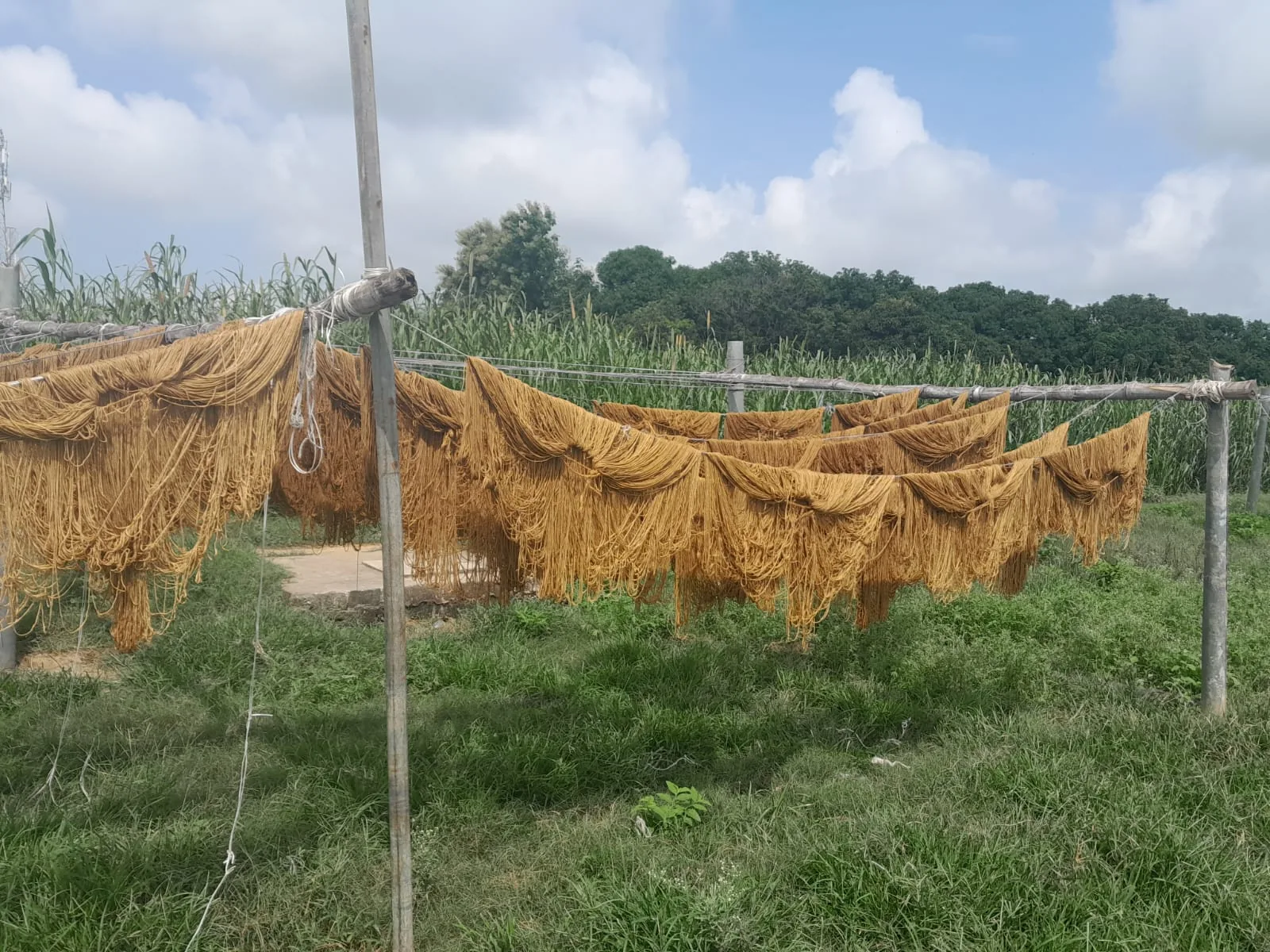
Materials with an audit trail
RWS wool from audited farms; GRS-certified recycled PET yarn; Oeko-Tex tested dyes and finishing chemistry. Every claim we make on a label is backed by a transaction certificate you receive with the shipment.
All six fibres, with sourcing detail →
People with an audit trail
SMETA (Sedex Members Ethical Trade Audit) and GoodWeave together give buyers two independent, unannounced verifications of labour standards and child-labour-free supply chain.
Fair to the hands that make — SMETA and GoodWeave in plain language →
End of life
Wool, cotton, jute, linen and bamboo silk are all biodegradable. Recycled PET rugs, at end of life, can enter mechanical recycling streams where infrastructure exists. A well-cared-for hand-knotted wool rug rarely reaches end of life — it becomes an antique.
Frequently asked
Why is a handmade rug low-carbon by nature?
Because its factory runs on people. The loom has no motor; knotting, the heart of production, consumes skill rather than electricity. Add natural, renewable fibres — wool, jute, cotton, flax, bamboo — and GRS-certified recycled yarns that give PET bottles a second life as pile, and the footprint of a handmade rug is modest in a way machine-made goods struggle to match. We don't dress this in invented numbers; we simply note what is structurally true: hands, not turbines, make our product.
What does GRS certify here?
The Global Recycled Standard tracks recycled content through every stage — trader, dyer, weaver, exporter — with transaction certificates at each handoff, plus social and environmental criteria for the sites doing the work. When we ship a GRS programme, your recycled-content claim is documented from bottle to bale to rug.
Which sustainability certifications do you hold?
RWS (Responsible Wool Standard), GRS (Global Recycled Standard), Oeko-Tex (materials tested for harmful substances), GoodWeave (child-labour-free supply chain) and SMETA (social compliance audit). All are documented per programme.
Further reading on pihue.com
Send us your design. Quotation within hours.
A CAD, a sketch or a reference photo is enough — we return pricing, material options and a sampling plan the same working day.