
Each knot tied by a person — the most durable construction.
The oldest, slowest and longest-lived rug construction. Hand-knotted pieces are the reason antique rugs still trade — a discipline that our looms in Bhadohi continue to run to specification.

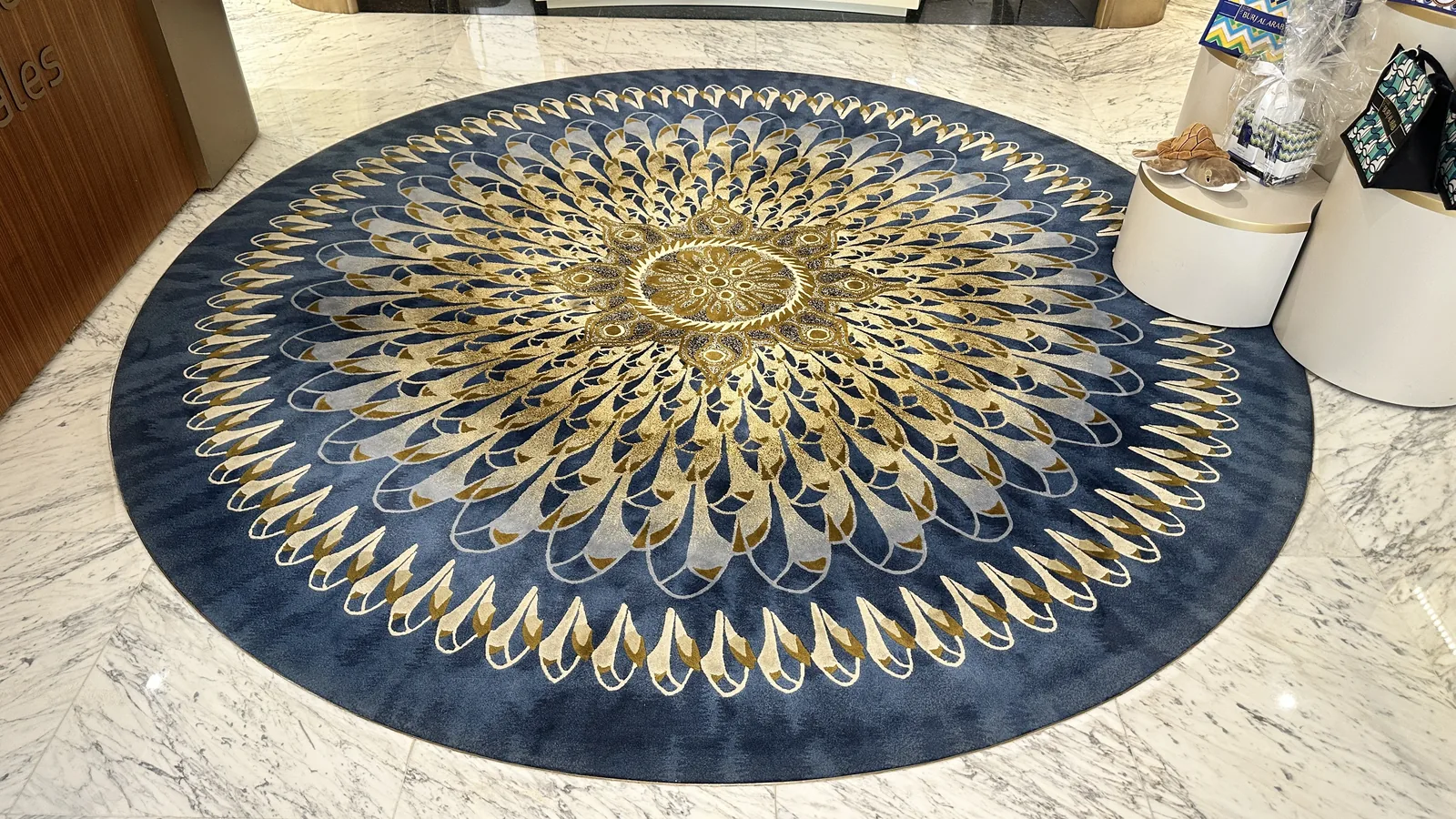
How the construction works
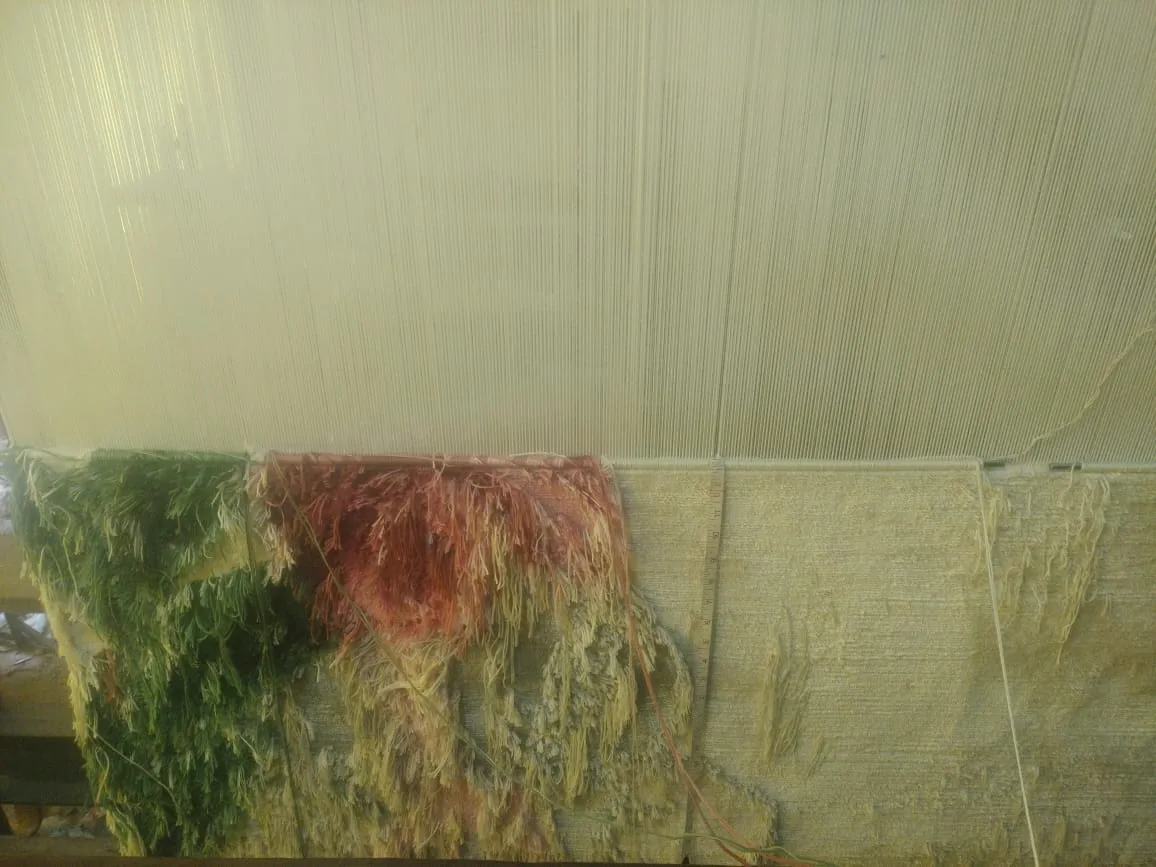
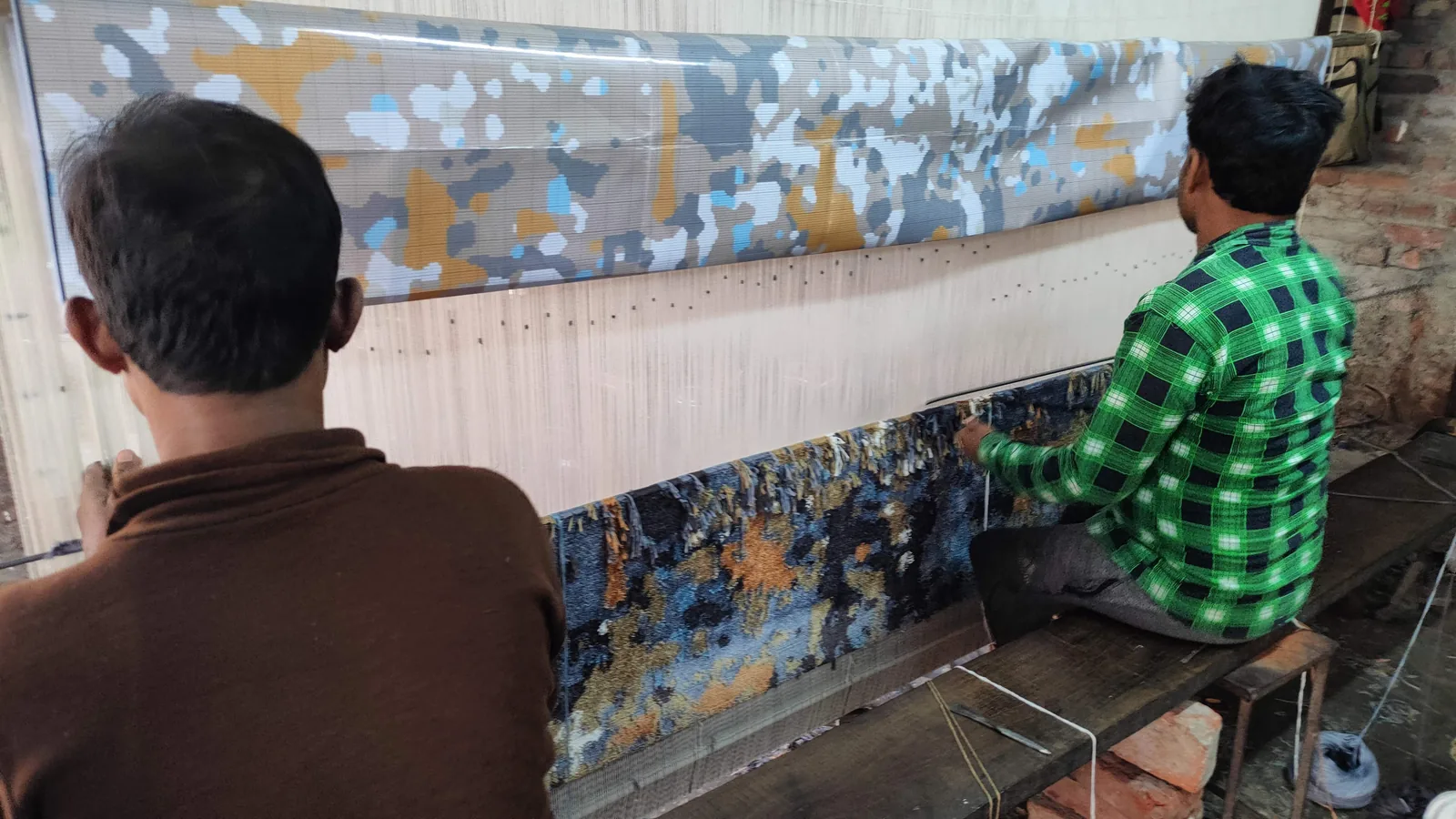
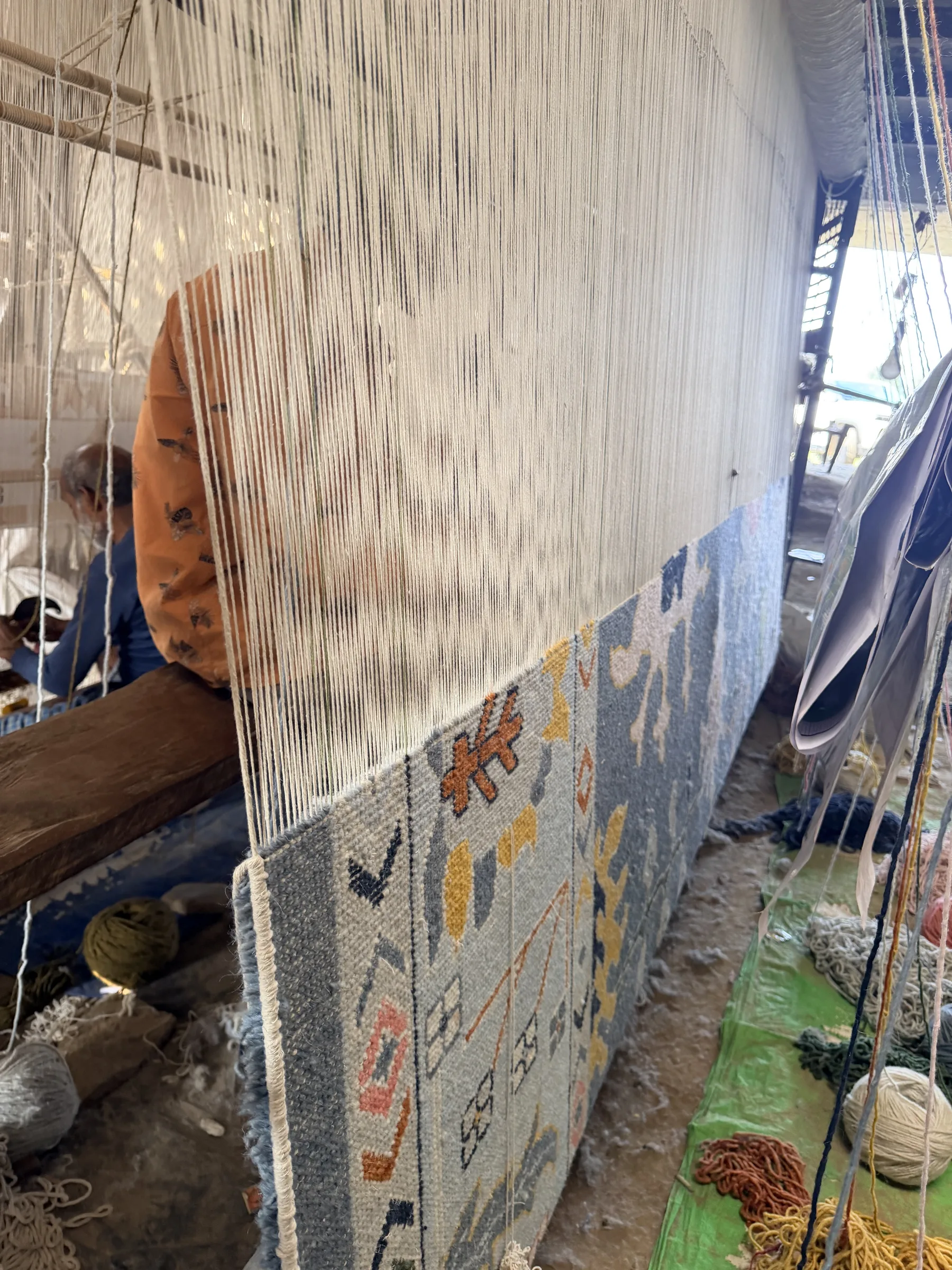
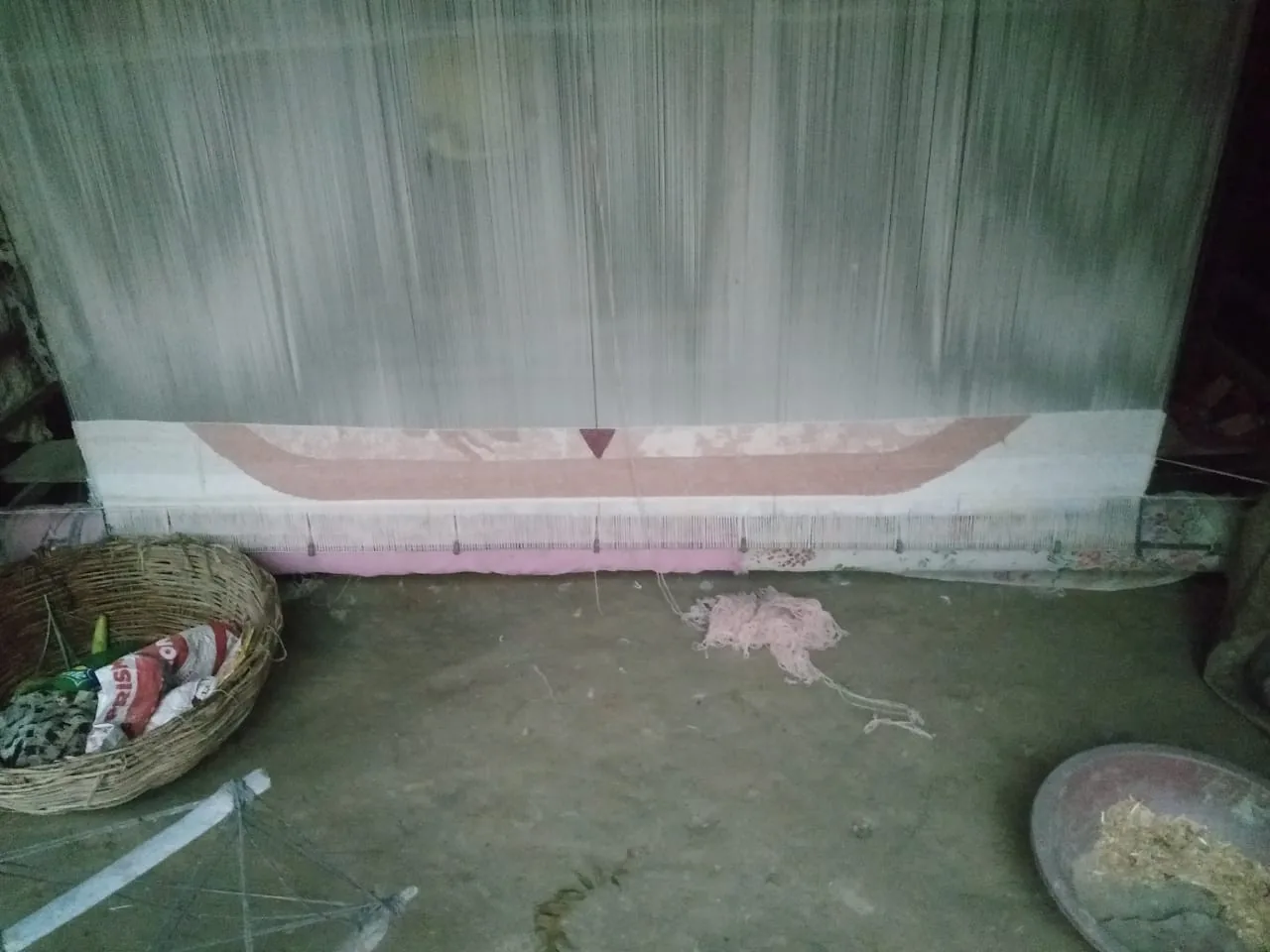
The cotton warp is stretched vertically on a loom. Weavers tie individual knots around pairs of warp threads — the Persian (Senneh), Turkish (Ghiordes) or Indo-Tibetan knot — row by row, beating each row down with a comb, cutting each knot flush with a curved knife. The pattern is read from a graph-paper knot map hung behind the loom.
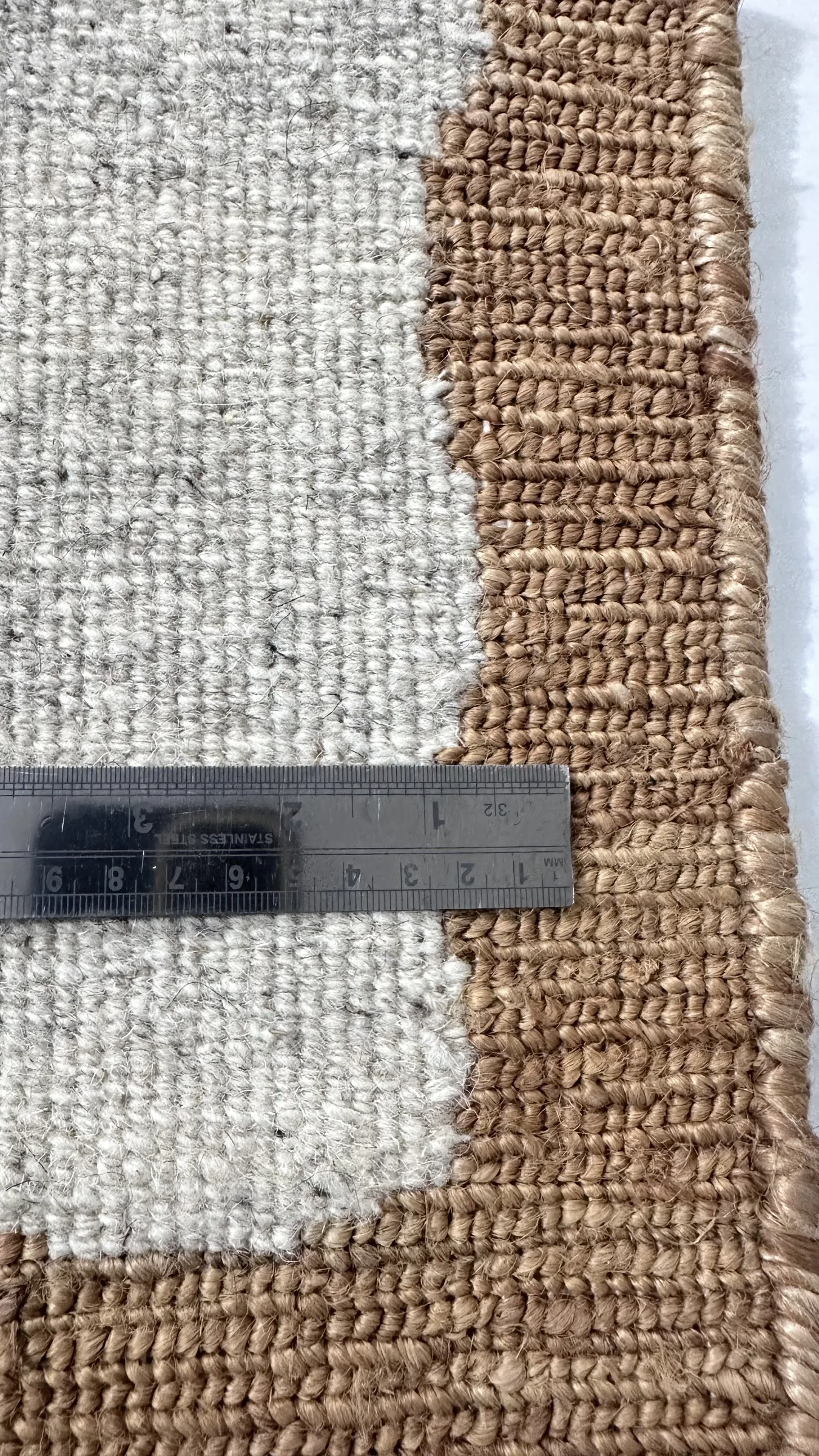
- 20–180 KPSI
- Wool, silk, wool+silk
- Cotton warp & weft
- Custom sizes
Hand-knotted in the room
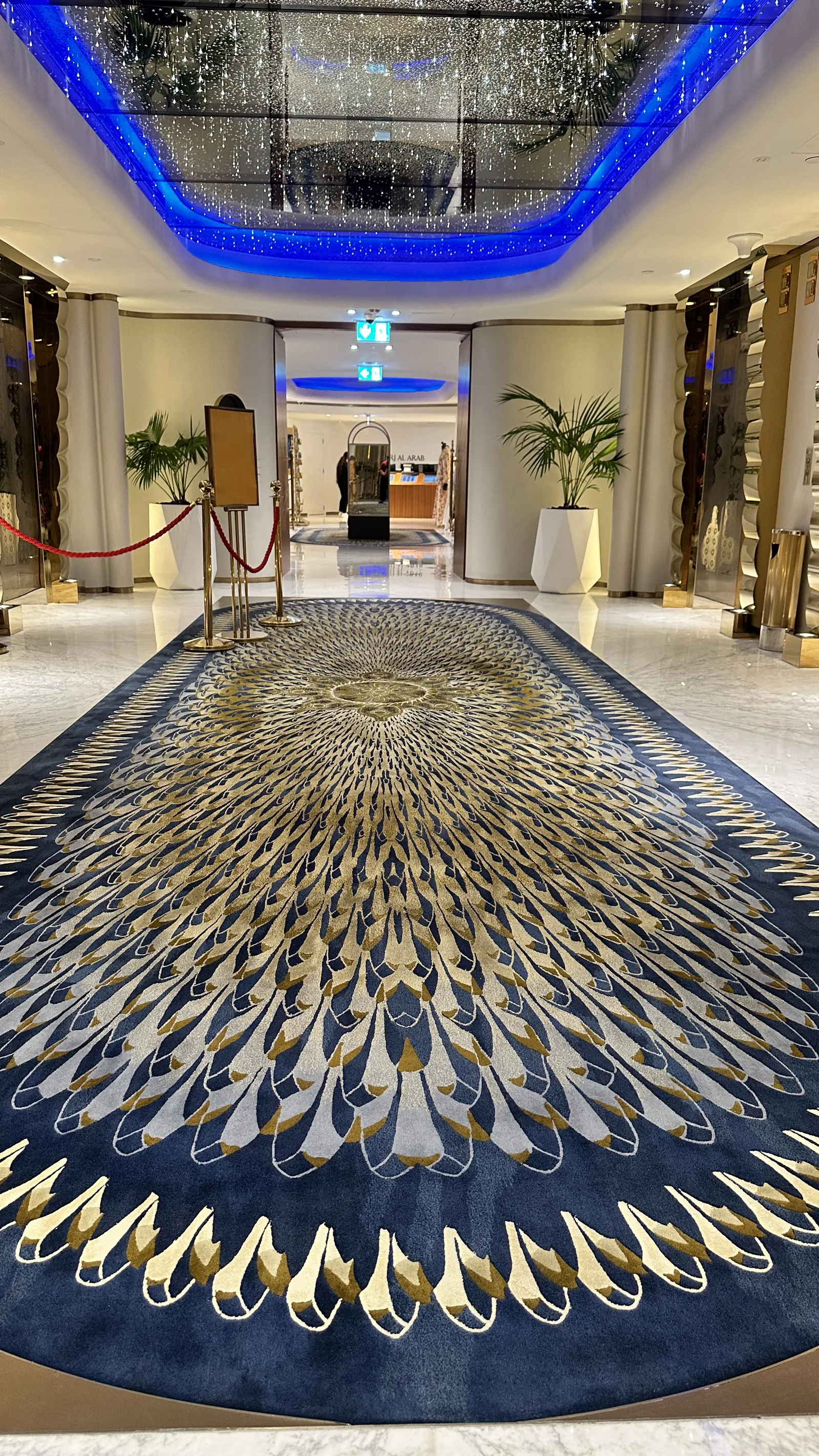

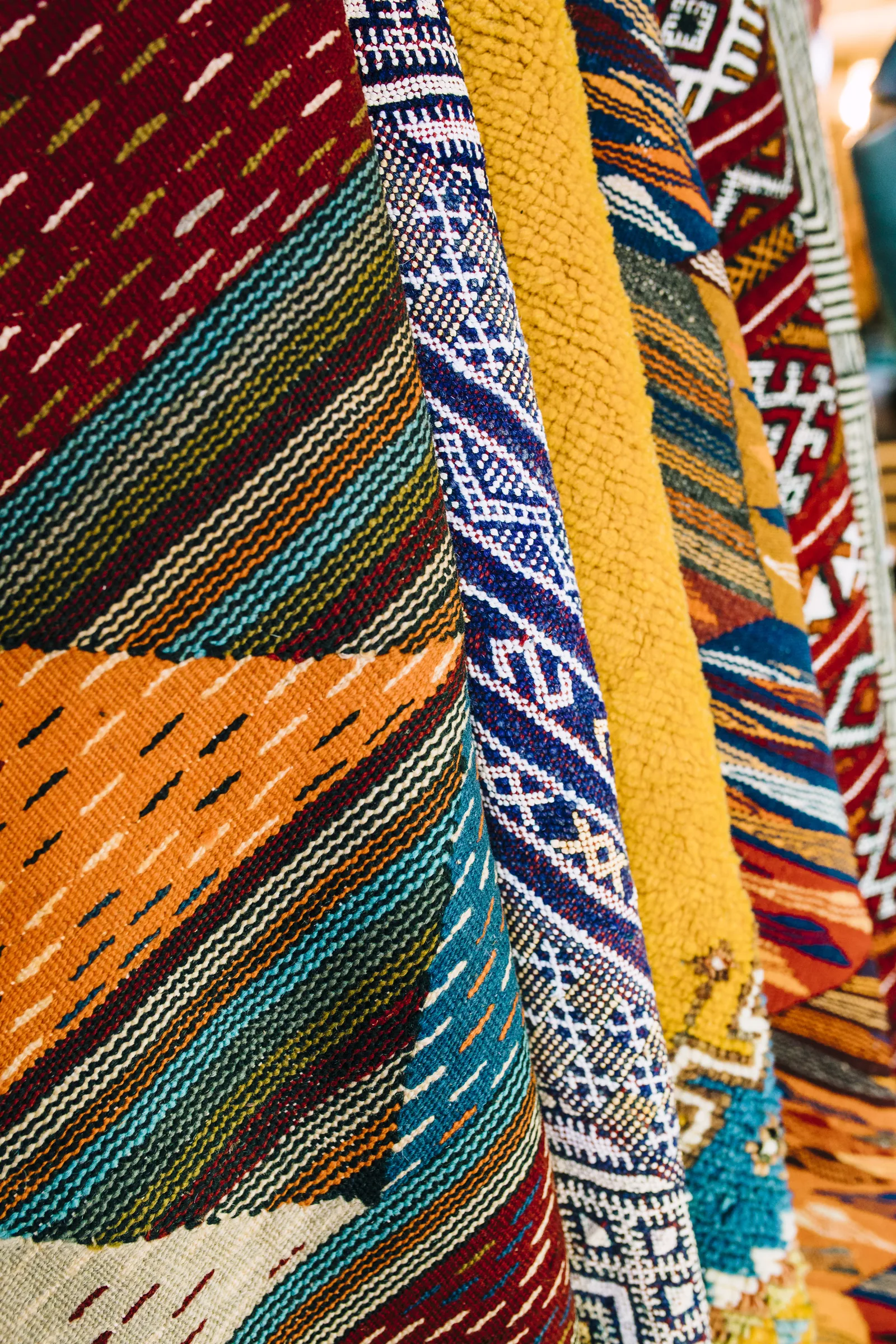
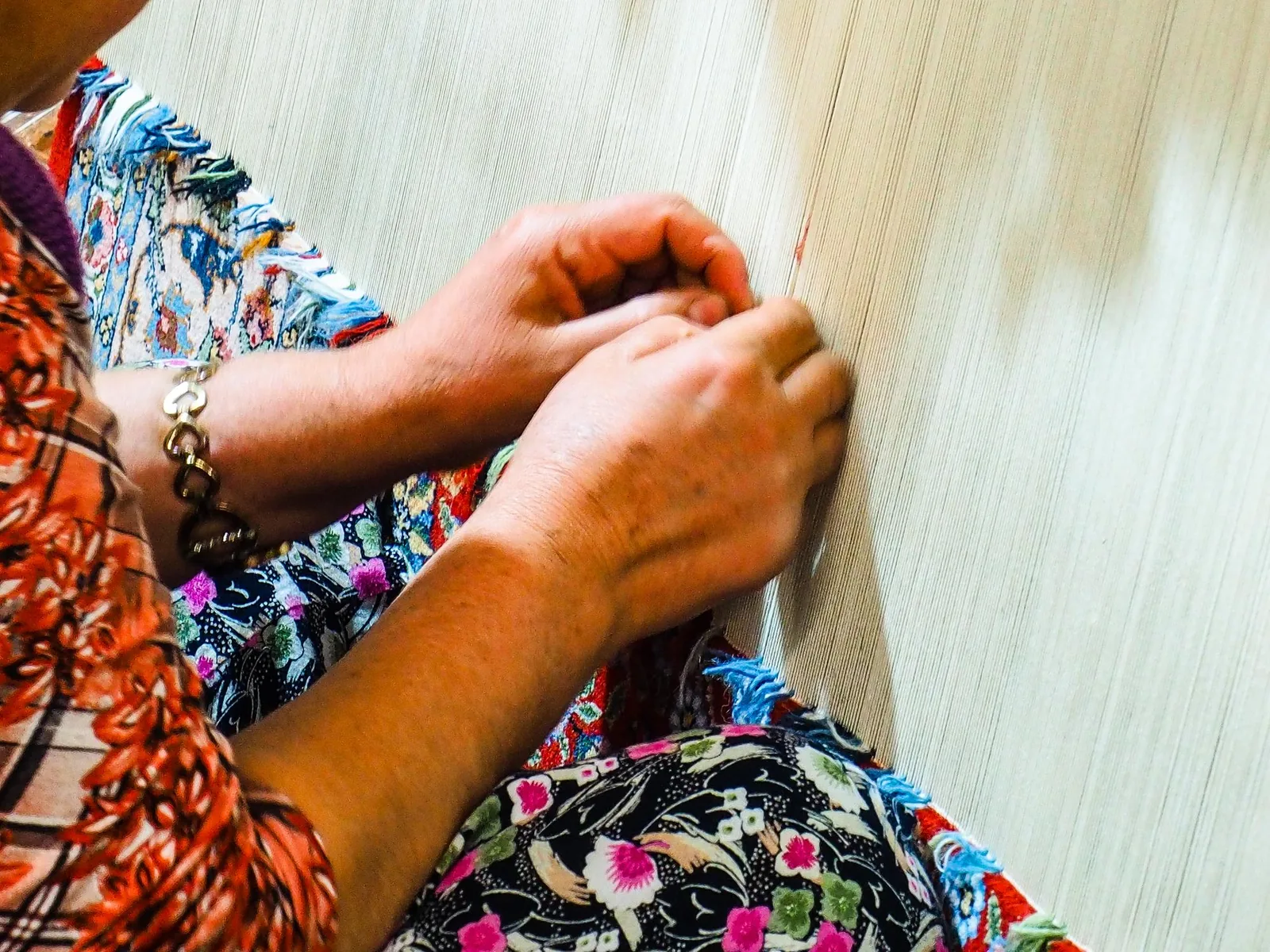
A single 250 × 300 cm hand-knotted rug at 100 KPSI holds around 1.16 million knots. Each one is a small human decision — which is why no machine has ever matched a hand-knotted rug's price at auction, and no machine ever will.


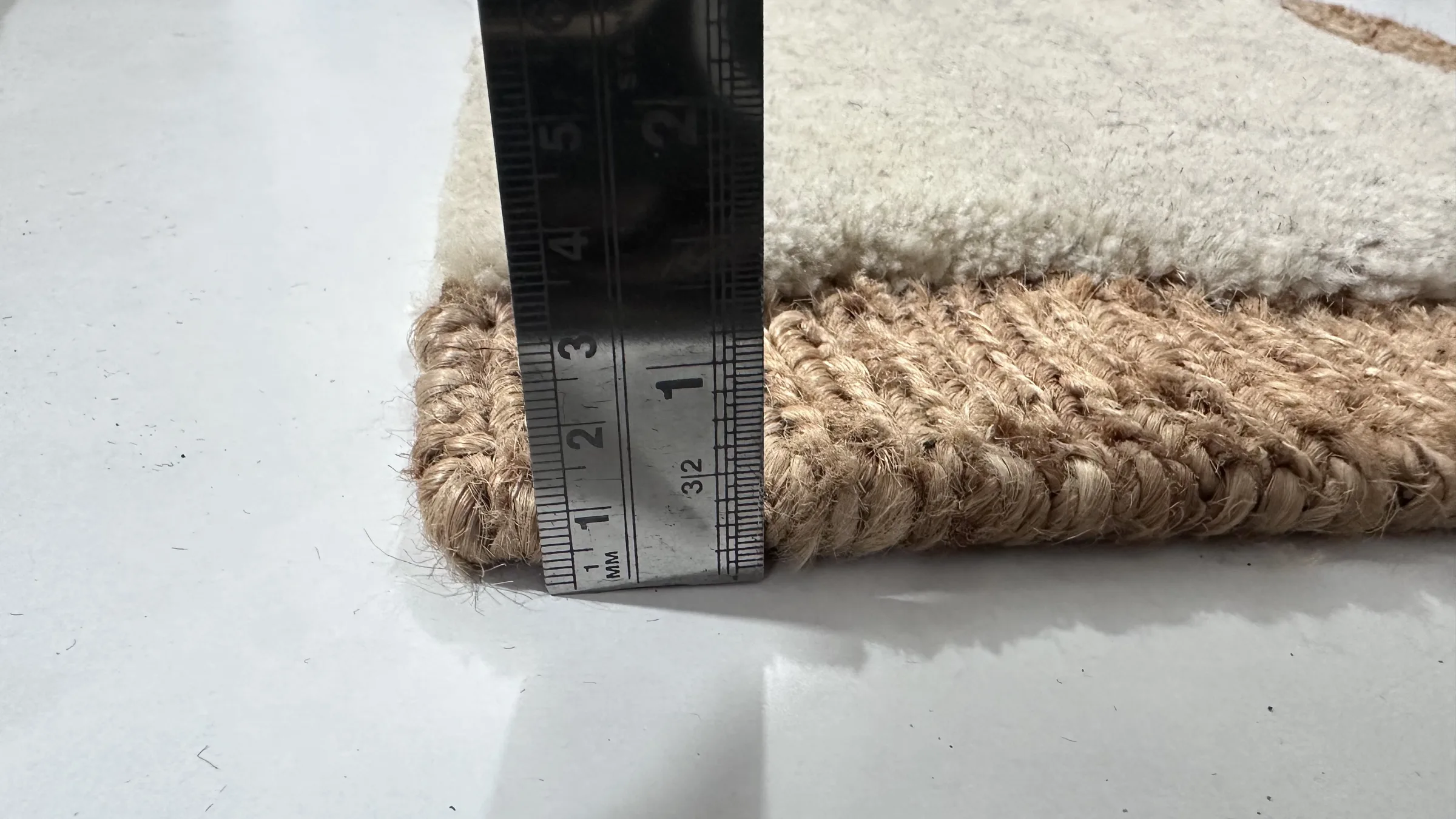
Highlights that catch the light
Where hand-knotted belongs
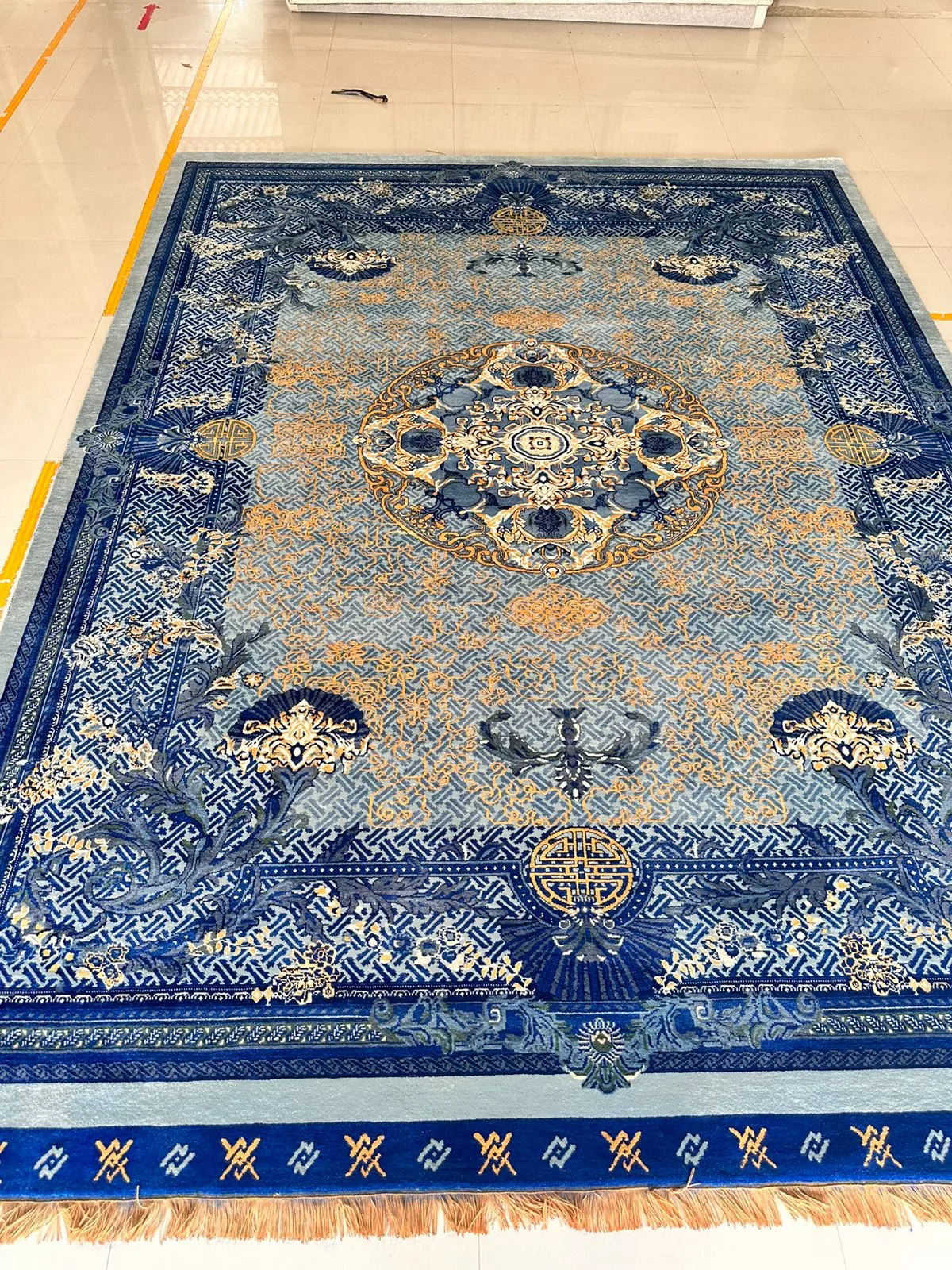
- Programmes that need heirloom quality: signature pieces, showroom anchors, gallery collections.
- Traditional patterns — Persian medallions, herati fields, Bhadohi's own designs.
- Silk accents: highlights of mulberry silk knotted into a wool field for direction-dependent shimmer.
- Retail and hospitality programmes willing to pay for construction that outlasts fashion.
What we verify
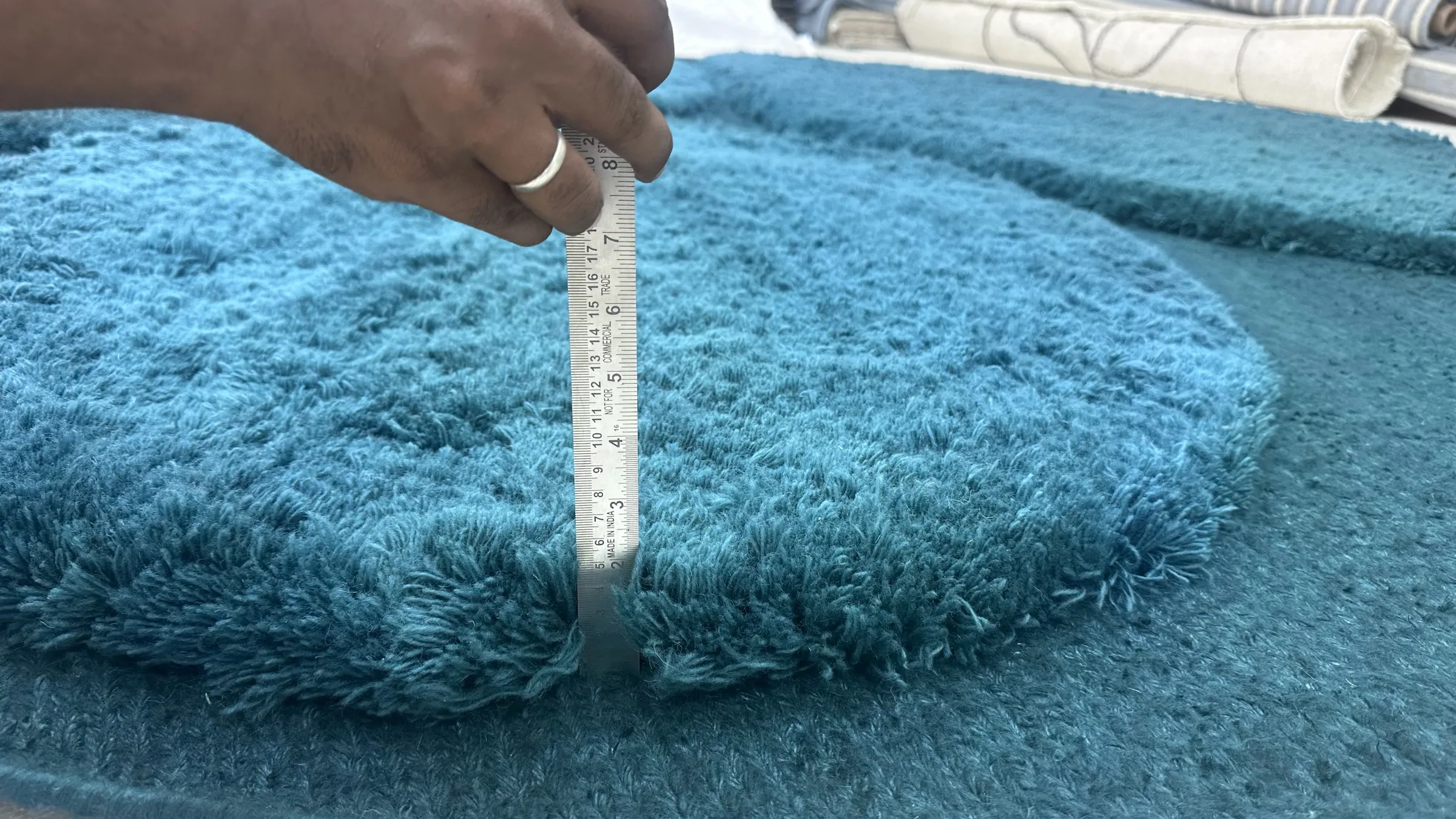
- KPSI on random rows against specification.
- GSM (actual weight ÷ actual area) against specified GSM.
- Size against ±3% tolerance.
- Colour against approved lab dip and strike-off under standard light.
Frequently asked
What is a hand-knotted rug?
A hand-knotted rug is a rug in which every knot is tied by hand around the warp threads on a loom. Each knot is a separate operation; a 250 × 300 cm rug at 100 KPSI holds around 1.16 million of them. It is the oldest and most durable rug construction — the reason antique hand-knotted rugs still trade after a century.
What is KPSI and what counts as high?
KPSI stands for knots per square inch. At 100 KPSI you get a solid, hard-wearing rug with clean pattern definition. 150 KPSI is our fine grade in wool. 180 KPSI in pure silk is the finest density we weave, and it is where the smallest detail becomes possible.
How long does a hand-knotted rug take to make?
Days on the loom depend on size, knot count and number of weavers. A single 8 × 10 ft high-knot-count piece routinely takes months. The knotting speed is set by human hands and is not accelerable.
Further reading on pihue.com
Want this construction for your line?
Send an artwork or a brief and we'll return quotation, KPSI and material recommendation, and a sampling plan the same working day.