
Yarn takes the colour before it takes the loom.
Hank dyeing at a contracted OEKO-TEX and RWS certified plant, Pantone and ARS 1400 matching, lab dips approved by PiHue before every bulk dye lot — the practical mechanics of getting a colour right.
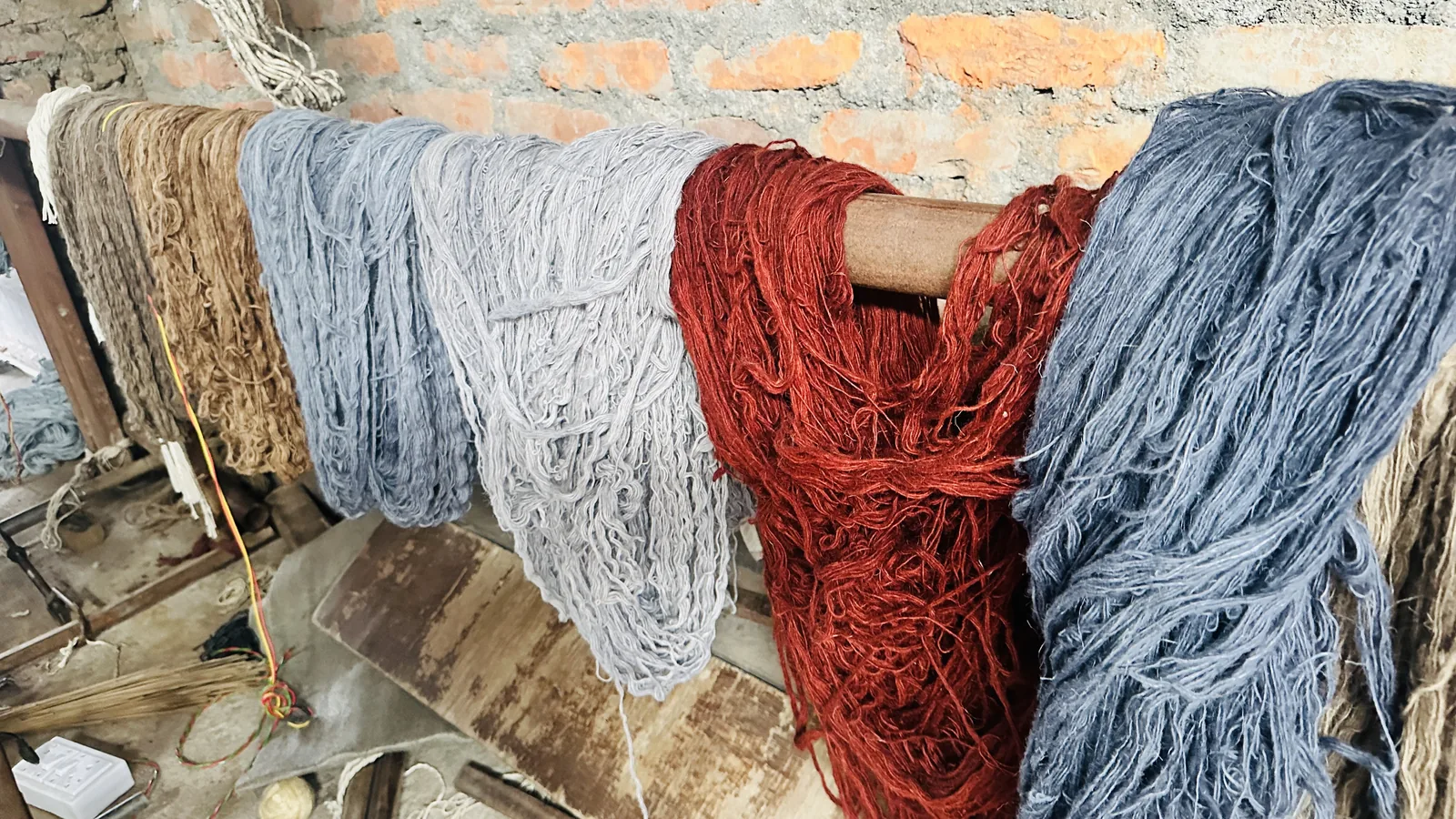
Colour is proven before it is committed
Yarn hanks are dyed at a contracted OEKO-TEX and RWS certified plant, matched against Pantone and ARS 1400 references to PiHue's colour specification. Every bulk lot is verified against an approved lab dip under standard light before it is released to the loom.
- Pantone TPX/TCX
- ARS 1400
- Oeko-Tex tested
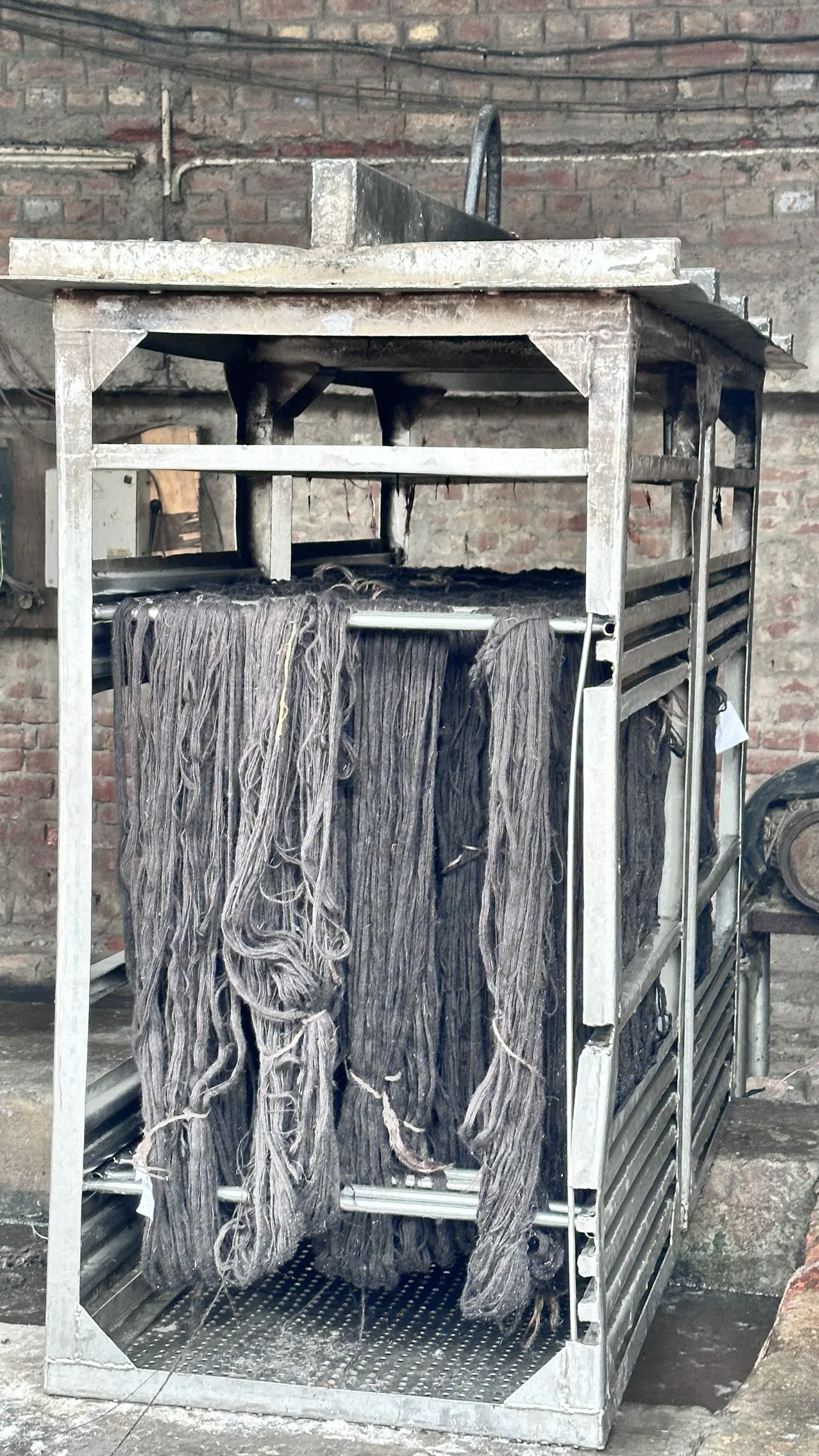
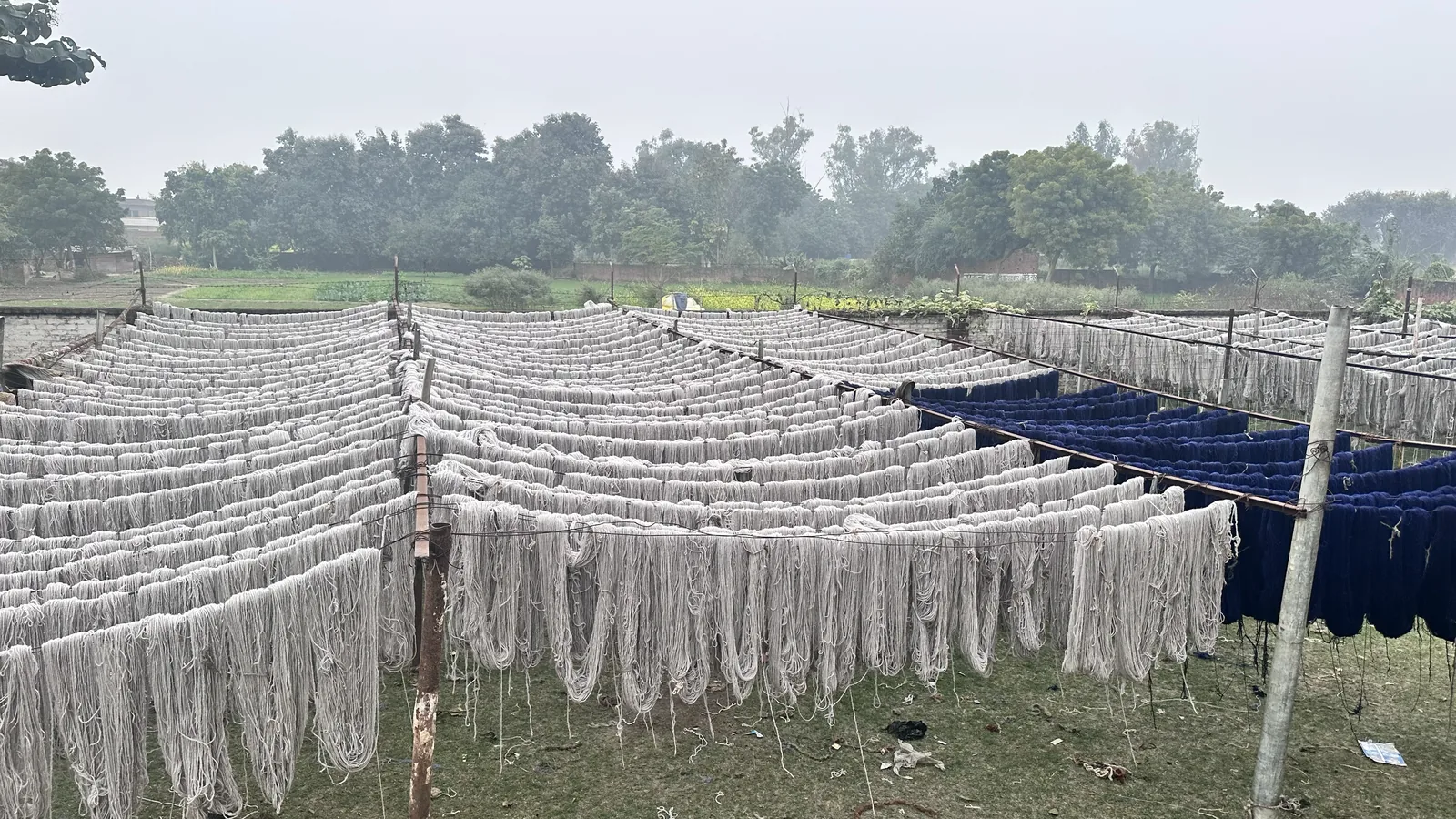
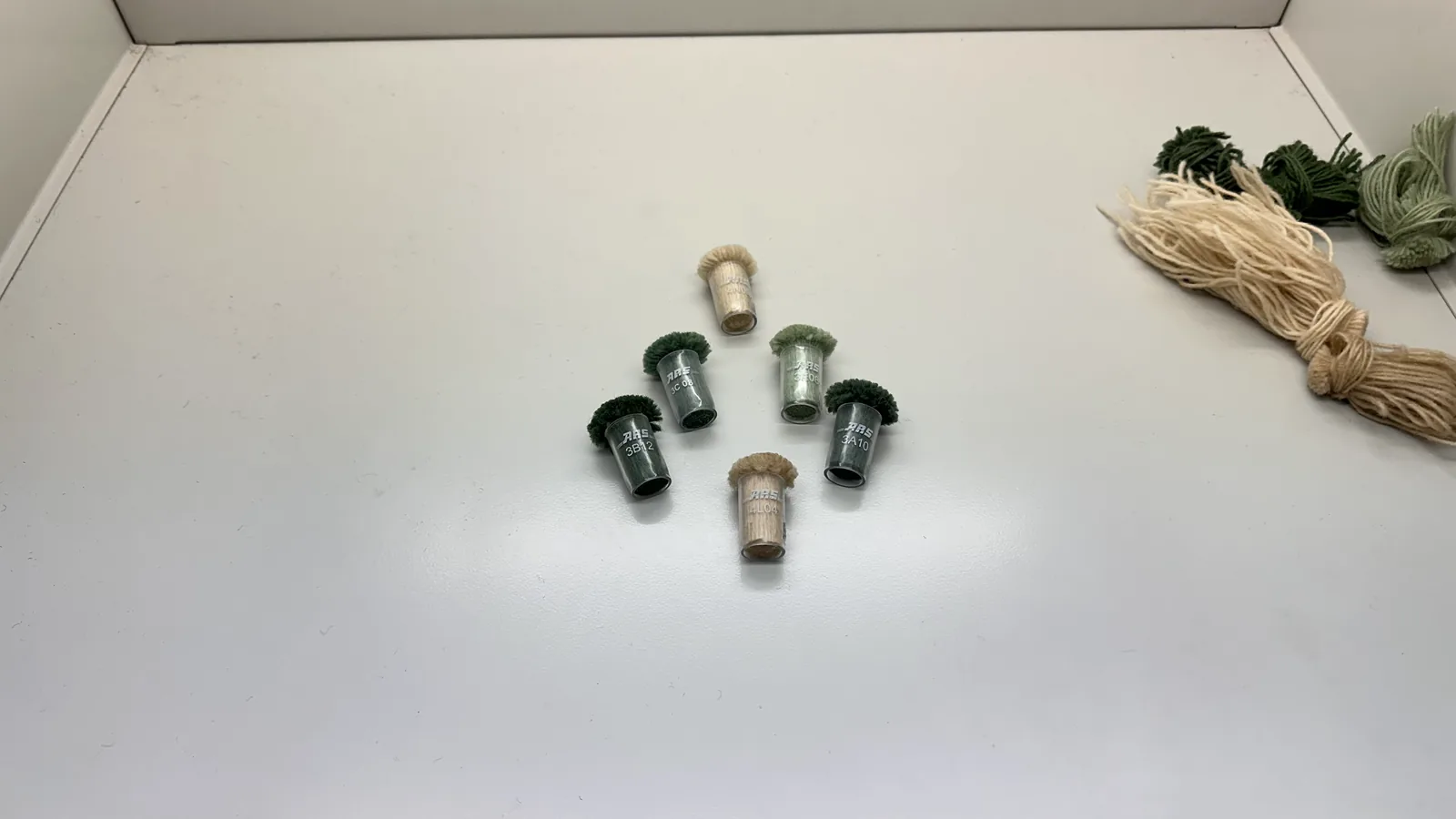
Why dye in hanks
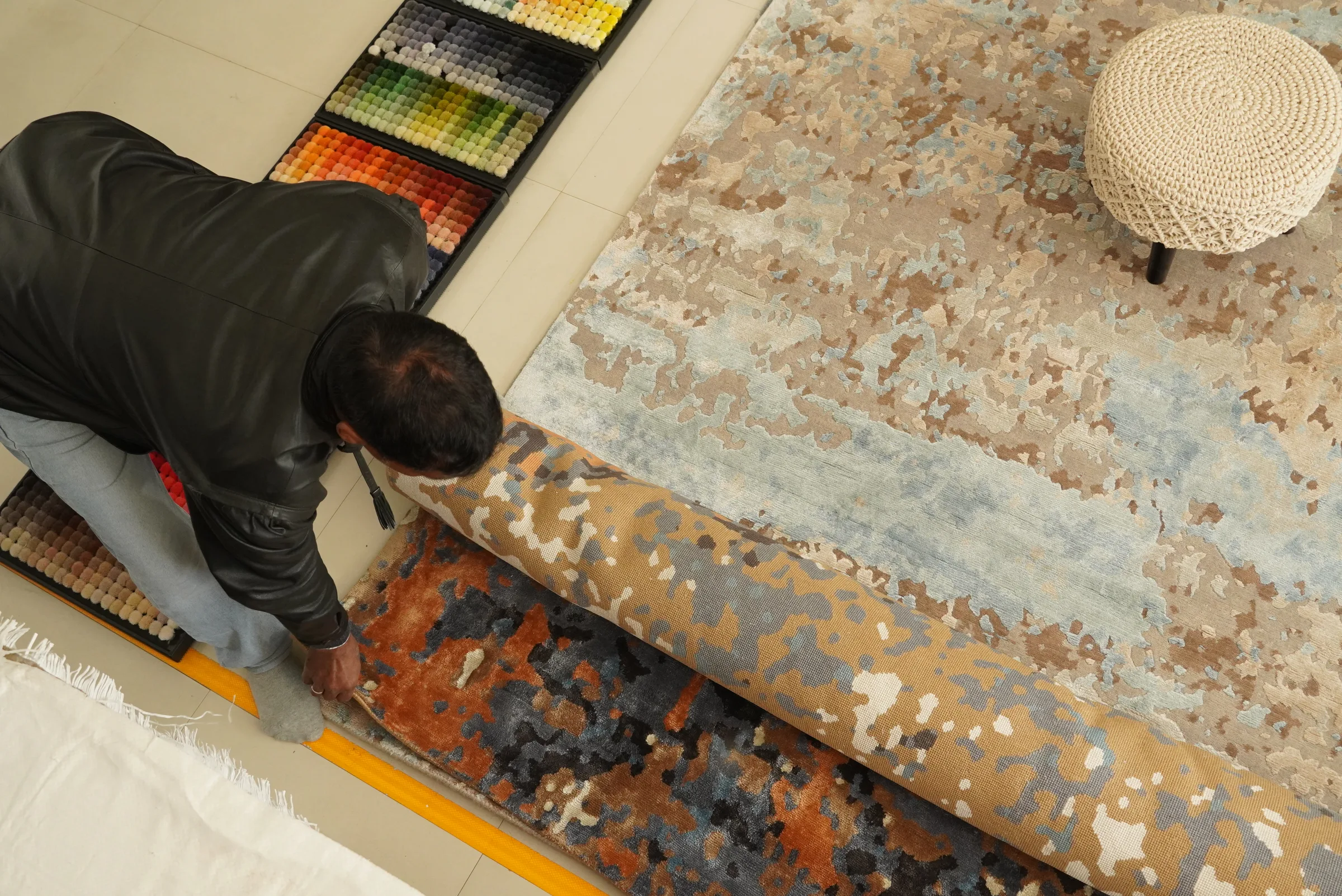
Hank dyeing (dyeing loose skeins of yarn rather than piece-dyeing a finished rug) is the honest way to make a rug. It gives even penetration to every fibre; it lets us blend hand-dyed hanks for a variegated (abrash) look where the design calls for it; and it means the colour is a property of the yarn, not a surface treatment on the pile.
How we match colour
- Send us your Pantone TPX/TCX reference (or ARS 1400 code, or a physical swatch).
- At the contracted dye plant a recipe is weighed and a small sample hank dyed to PiHue's colour specification.
- The lab dip is shipped to you for approval.
- Approved lab dip becomes the reference for bulk dyeing.
- Each bulk dye lot is compared to the approved lab dip under standard light before yarn is released to the loom.
Which dye classes we use
Reactive dyes for cotton, acid dyes for wool and silk, disperse for polyester — each chosen for the fibre and the finished-rug performance the programme requires. All dyestuffs are selected to Oeko-Tex requirements: no banned azo dyes, tested against restricted-substance lists.
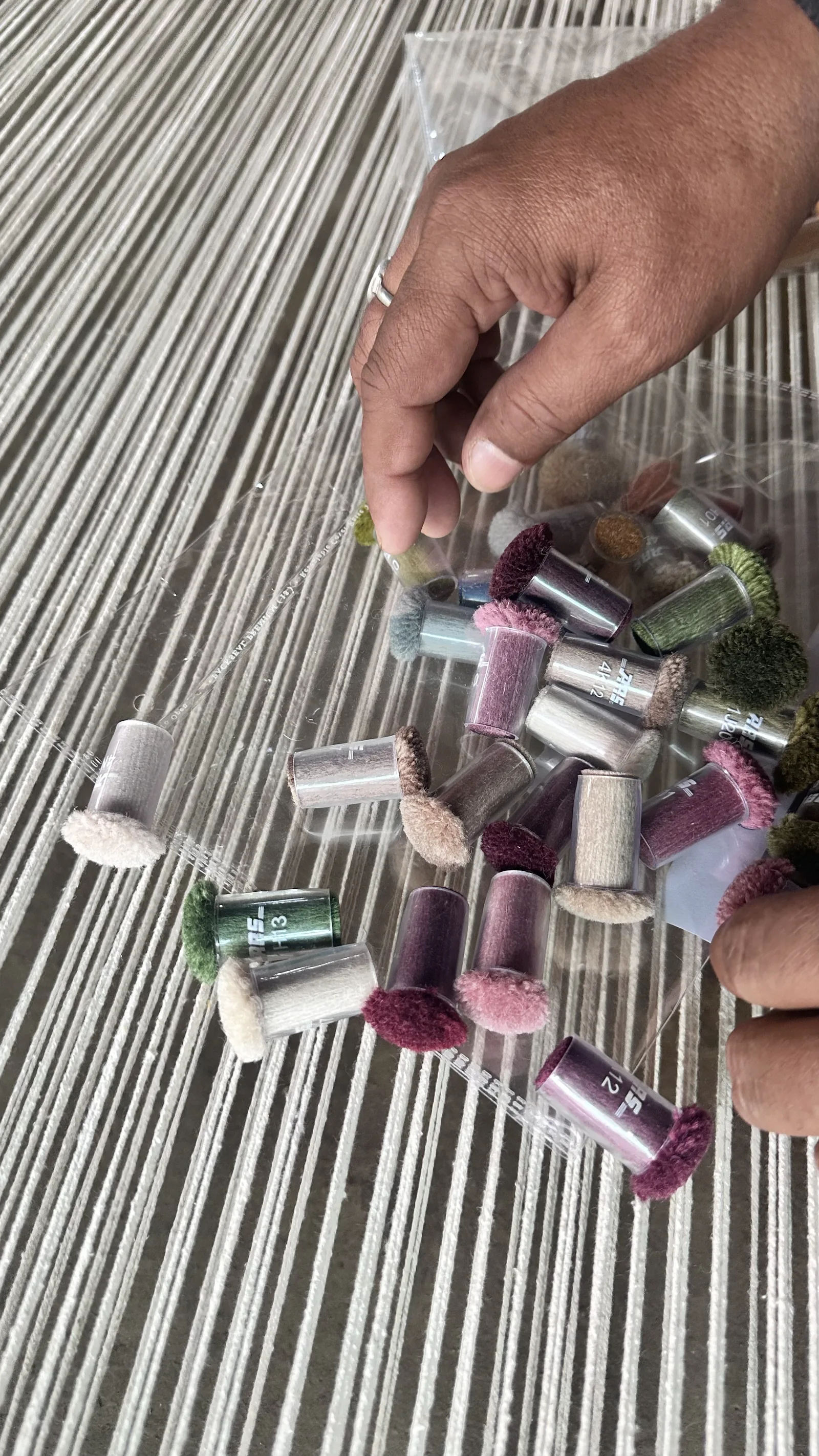
Every shade below started as a numbered card and ended as a dyed yarn hank — approved by a buyer before any bulk dye lot was mixed.
Frequently asked
How does rug dyeing work?
Yarn is dyed in hanks at a contracted OEKO-TEX and RWS certified plant — wound loosely into skeins so the liquor can reach every fibre evenly. Recipes are weighed to the gram, water and temperature are controlled, and the finished hanks are rinsed, dried and returned to the loom as ready-to-weave yarn. PiHue matches to Pantone TPX/TCX references and ARS 1400 codes through lab dips before any bulk yarn is dyed.
What is a lab dip?
A lab dip is a small dyed yarn sample produced at the contracted dye plant and sent to the buyer for approval. It proves the exact colour before bulk dyeing begins. Turnaround is about 10 days.
What is ARS 1400?
ARS 1400 is a colour reference standard widely used by Bhadohi buyers — a shade card of numbered colours. We match to ARS 1400 codes the same way we match to Pantone: through lab dips, approved in hand.
Further reading on pihue.com
Send us your design. Quotation within hours.
A CAD, a sketch or a reference photo is enough — we return pricing, material options and a sampling plan the same working day.